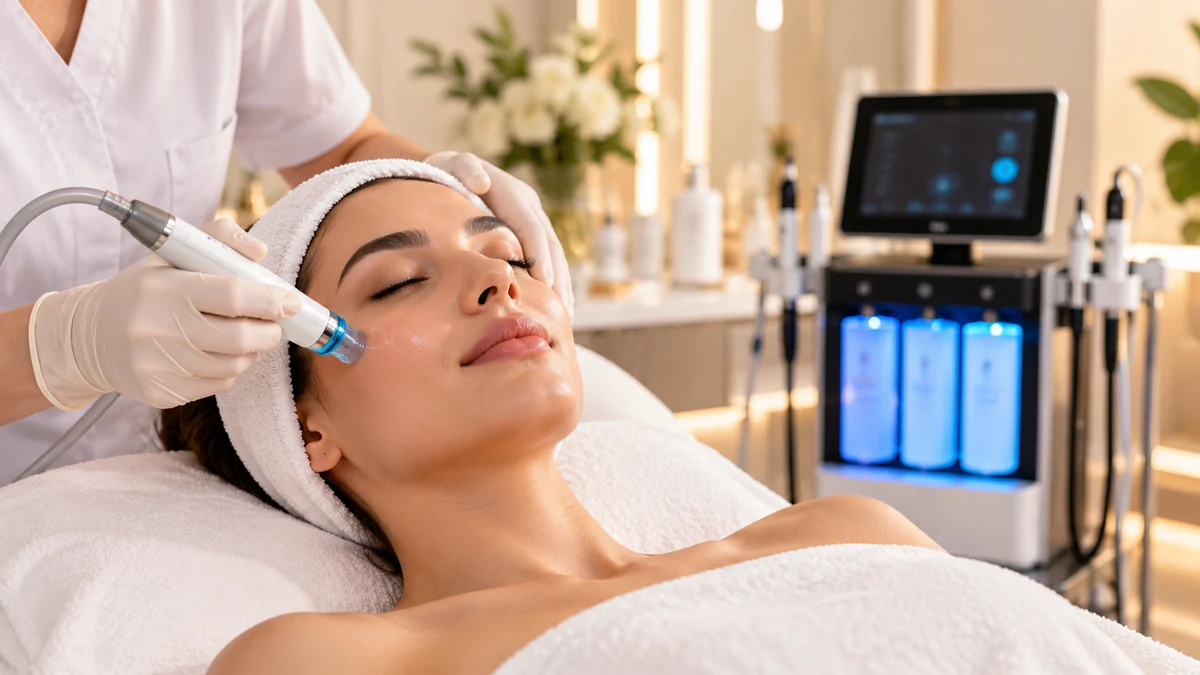
HydraFacial is a non-invasive facial treatment that uses a specialised device and solutions to cleanse, exfoliate, extract impurities and hydrate the skin. Treatment steps and optional add-ons depend on the system, products and protocol used by the provider.
People consider facial treatments for concerns such as dull-looking skin, surface congestion or dryness. Whether HydraFacial is appropriate for you depends on your skin condition, sensitivities, treatment goals and any recent procedures or medicines.
What does a HydraFacial involve?
The treatment is commonly described as a series of steps:
1. Cleanse and exfoliate
The skin is cleansed and the outer surface is gently exfoliated according to the selected protocol. The purpose is to remove surface debris and prepare the skin for subsequent steps.
2. Extract
A device handpiece and suitable solutions may be used to help remove debris from pores. The approach and intensity should be appropriate for the skin being treated.
3. Hydrate
Hydrating solutions or serums are applied as part of the treatment. Some protocols may offer additional boosters, LED light or other options, but availability and suitability vary by provider and device.
The exact steps, products and add-ons used at Medwin should be confirmed with the clinic when booking.
What skin concerns may prompt someone to consider HydraFacial?
Patients may ask about the treatment when they want a professional cleansing and hydration-focused facial, or when they are concerned about dullness, surface texture or visible pore congestion. Results are not the same for everyone, and a facial treatment should not be presented as a cure for acne, melasma, rosacea or another medical skin condition.
If you have persistent inflammation, painful acne, a rash, open skin, a history of reactions or a diagnosed skin condition, discuss it with a qualified practitioner before proceeding.
Who should discuss suitability before treatment?
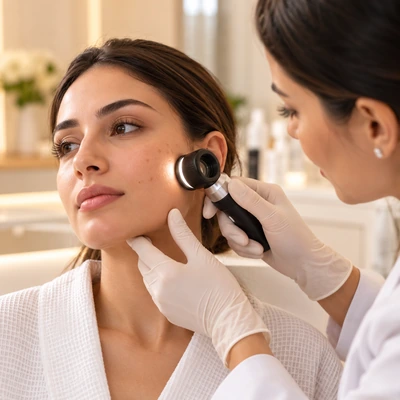
Tell the provider about sensitive skin, allergies, active skin problems, recent peels or laser procedures, current skin-care medicines and any tendency to develop irritation or pigment changes. Certain ingredients, exfoliation steps or add-ons may need to be changed or avoided depending on the assessment.
Do not assume that a treatment is appropriate simply because it is marketed as gentle or non-invasive. The provider should explain the planned steps and advise whether postponing treatment or choosing an alternative is safer.
How should you prepare?
Follow the clinic’s instructions before your appointment. Share your current skin-care routine and list any prescription or non-prescription products you use. Ask whether you should pause any exfoliating products or schedule the treatment around other procedures. Do not stop prescribed medicines unless your healthcare professional tells you to do so.
What happens after a HydraFacial?
Aftercare depends on the products and treatment steps used. Your skin may be temporarily pink, sensitive or feel tight. Follow the practitioner’s advice about cleansing, moisturising, sun protection and when to resume active skin-care products. Contact the clinic or seek medical advice if you experience a significant or persistent reaction.
What results should you expect?
Some people report that their skin feels hydrated or looks temporarily refreshed after treatment, but outcomes vary. A HydraFacial cannot guarantee lasting changes, eliminate pores, permanently remove pigmentation or replace medical treatment where a condition requires diagnosis and ongoing management.
Questions to ask before booking
- Which steps and products will be used for my skin?
- Are there ingredients or add-ons I should avoid?
- Should I postpone treatment because of recent procedures or irritation?
- What aftercare will I need?
- Would a dermatology assessment be more appropriate for my concern?
HydraFacial at Medwin Medical Center
A consultation can help you understand the available treatment protocol and whether it aligns with your skin-care goals. Learn more about Medwin’s Dermatology services or contact the clinic to confirm HydraFacial availability and booking details.
Frequently asked questions
Is HydraFacial suitable for sensitive skin?
It depends on the individual’s skin condition and the products or steps used. Tell the provider about sensitivity, allergies or previous reactions before treatment so suitability can be assessed.
Can HydraFacial treat acne or pigmentation?
A facial may support skin cleansing and hydration, but acne and pigmentation have different causes and may need medical assessment and specific treatment. Do not use a facial as a substitute for care of a persistent skin condition.
How often should I have HydraFacial?
There is no single schedule appropriate for everyone. The provider should consider your skin, treatment goals, products and response before recommending a frequency.
Medical information notice: This article is for general education. Available steps, products and suitability must be confirmed with the treating provider.