Brown, grey-brown or darker patches on the face can have several causes. Two terms often used when discussing uneven skin tone are melasma and hyperpigmentation. They are related, but they do not mean exactly the same thing.
Knowing the difference can help you avoid inappropriate products and understand why a personalised dermatology assessment may be useful. This guide is general information; an examination is needed to identify the cause of a particular skin change.
What is hyperpigmentation?
Hyperpigmentation is a broad term for areas of skin that appear darker than the surrounding skin because of increased pigment or changes in how pigment is distributed. It can occur after inflammation or injury, including after acne, irritation, some skin conditions or certain procedures. Sun exposure can also contribute to uneven pigmentation and dark spots.
Post-inflammatory hyperpigmentation may be more noticeable in some skin tones and can persist after the original inflammation has settled. The cause, depth of pigment and individual skin characteristics all affect how it is managed.
What is melasma?
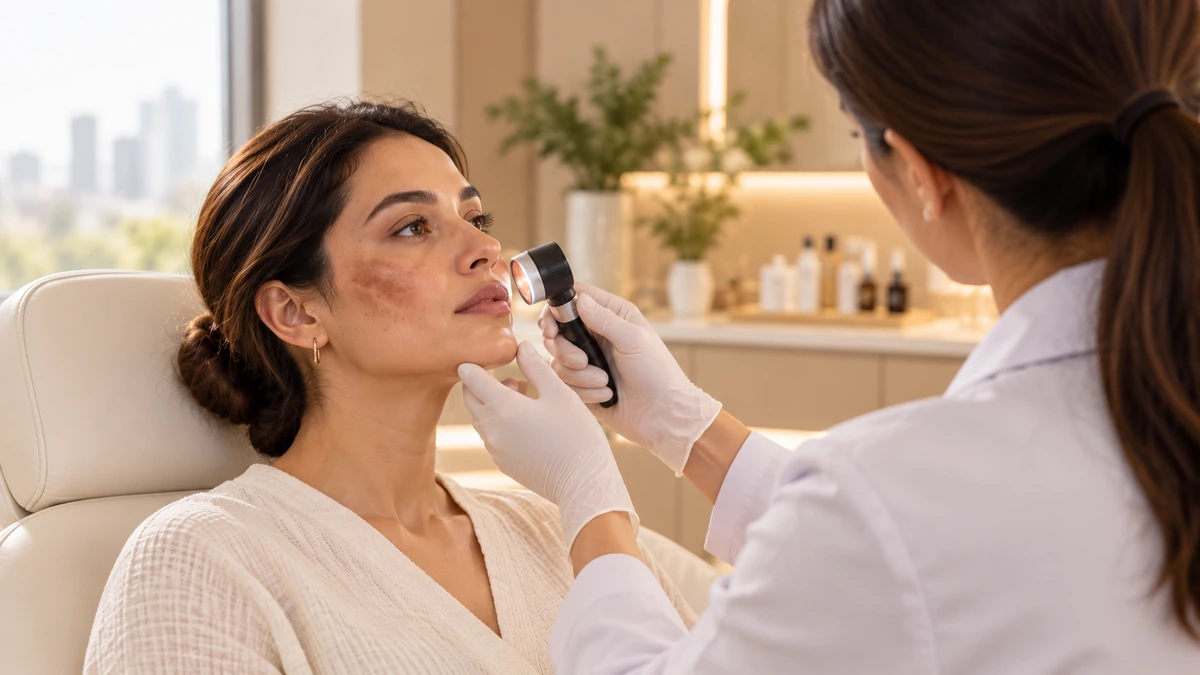
Melasma is a pigmentation condition that commonly appears as brown or grey-brown patches, often on the cheeks, forehead, upper lip or other areas of the face. Sunlight is an important trigger. Hormonal factors, including pregnancy and some hormone-related medicines, can also be involved. Melasma can be persistent and may return after improving.
How are they different?
- Meaning: Hyperpigmentation is a general description; melasma is a specific pigmentation condition.
- Appearance: Melasma often presents as larger, patch-like areas, while other hyperpigmentation may appear as individual dark marks after inflammation or sun exposure.
- Triggers: Both can be affected by sunlight, but melasma has particular associations with hormonal factors.
- Management: Care depends on identifying the cause, the skin’s characteristics and how deeply the pigment sits.
Appearance alone cannot always distinguish melasma from another pigmentation concern. Some conditions can resemble one another, so avoid assuming that every dark patch requires the same treatment.
Why sun protection matters
Sun exposure can darken existing pigmentation and contribute to new changes. A broad-spectrum sunscreen with SPF 30 or higher, used according to its label and reapplied as directed, is often an important part of pigmentation care. Shade, protective clothing and limiting unnecessary direct sun exposure can also help.
For some people with melasma, a dermatologist may discuss tinted sunscreen containing iron oxides because visible light may also contribute to pigmentation. The best option depends on skin type, preference and the clinician’s advice.
What treatments may be considered?
There is no single treatment that suits every pigmentation concern. Depending on the diagnosis, a dermatologist may discuss topical medicines, prescription skin care, selected procedures or a combination of approaches. Treatment should take account of skin tone, sensitivity, pregnancy status, medicines and the possibility that some procedures or irritating products can worsen pigmentation.
Avoid using strong bleaching creams, prescription medicines or aggressive home peels without professional advice. Products bought online may contain ingredients or strengths that are not suitable for your skin, and irritation can make dark marks more prominent.
When should you seek an assessment?
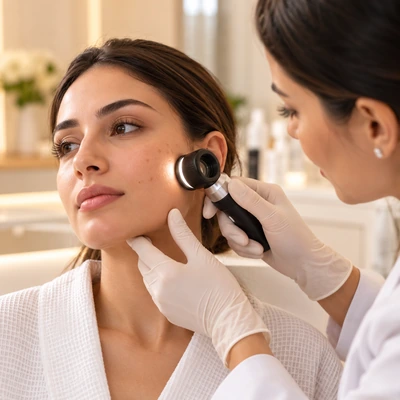
Arrange a medical review if pigmentation is new, changing, persistent, associated with irritation, or not behaving as expected. A dermatologist can examine the area and decide whether it appears consistent with melasma, post-inflammatory pigmentation, sun-related spots or another condition.
How Medwin can help
A dermatology consultation at Medwin Medical Center can help you discuss uneven skin tone, your skin-care routine, previous treatments and your goals. The clinician can explain the likely cause, suitable options and realistic expectations before you decide on treatment.
Explore Medwin’s Dermatology services in Dubai to learn more or enquire about an appointment.
Frequently asked questions
Is melasma the same as sunspots?
No. Melasma and sunspots are different causes of pigmentation, although they can sometimes look similar. An assessment can help distinguish between them.
Can melasma disappear permanently?
Melasma can be persistent and may recur, even after improvement. Sun protection and an individualised treatment plan can help manage it, but results vary.
Can I treat pigmentation at home?
Gentle skin care and consistent sun protection can support skin health. Strong active products and peels should be selected carefully, ideally with professional guidance, because irritation can worsen pigmentation.
Medical information notice: This article is for general education only and does not replace an examination or personalised advice from a qualified healthcare professional.